Supporting Your Senior Dog with Smart Pet Wellness Supplements
When I first noticed my Lab mix, Max, struggling to jump onto the couch, I knew something had shifted. He was ten years old, still eager for walks but slower getting up afterward. The vet confirmed what I suspected: age-related stiffness and a touch of anxiety during thunderstorms. That conversation started me down a long road of researching how to support his quality of life in a natural, practical way. What I found was that thoughtful use of pet wellness supplements made a real difference. Not every product on the shelf works, and not every dog needs the same thing. But understanding what is out there and how it fits your pet's specific situation is worth the effort.
Max's story is not unusual. Many pet owners watch their dogs slow down, lose interest in play, or act unsettled during loud noises. The instinct to help is strong, but the supplement aisle can be overwhelming. Bags of treats, bottles of oils, powders to sprinkle on food, all promising better mobility, calmer nerves, or shinier coats. I learned to look past the packaging and focus on ingredients that have a track record. Ingredients like glucosamine, chondroitin, omega-3 fatty acids, and turmeric show up again and again in studies and in the feeding guidelines of well-known brands. They are not magic, but they are backed by enough evidence to take seriously.
What to Look for in Joint and Mobility Support
For a senior dog like Max, joint health was the first priority. The combination of glucosamine and chondroitin is probably the most widely studied pair for canine mobility. Glucosamine helps build cartilage, while chondroitin helps keep that cartilage resilient. Many products include both, alongside omega-3 fatty acids for their anti-inflammatory effects. I started with a soft chew from Nutramax, which is one of the most consistent brands I have tried. Within a few weeks, Max was hopping onto the couch again, not gracefully, but without the wince that broke my heart before.
Another ingredient worth mentioning is turmeric. Its active compound, curcumin, is a natural anti-inflammatory. Some dogs tolerate it well, others need it paired with a little black pepper or fat to absorb properly. I mixed a turmeric powder into Max's dinner, but I had to be careful with dosage. Too much can upset a sensitive stomach. That is where a trusted brand like Zesty Paws or VetriScience can help, because they standardize the dose and often combine turmeric with other supportive ingredients such as digestive enzymes. The enzymes help break down the turmeric so the body can actually use it.
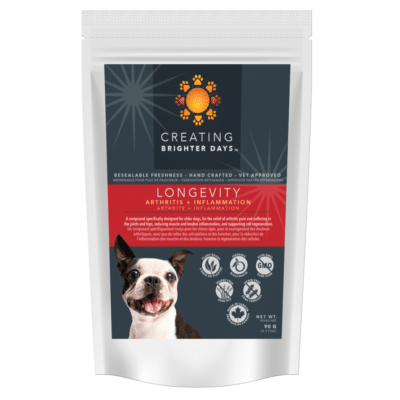
I also tried Greenies hip and joint treats at one point. They are convenient, with a flavor dogs seem to love, but they tend to be lower in active ingredients than dedicated supplements. For a young, active dog they might be enough. For a senior dog with real stiffness, you probably want something more concentrated. That trade-off between convenience and potency is something to weigh based on your dog's condition.
Calming Nerves Without Overdoing It
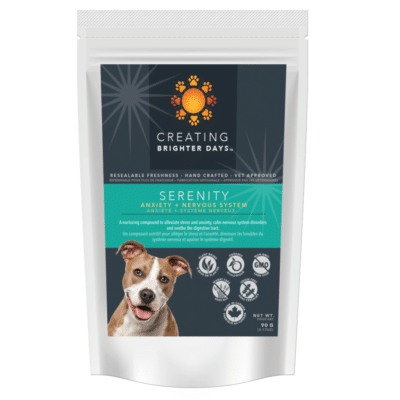
Anxiety in dogs can look like panting, pacing, hiding, or destructive behavior. Max was never destructive, but he would shake during fireworks and thunderstorms. I wanted something that would take the edge off without sedating him. That is where anxiety relief supplements come in, and they often rely on ingredients like melatonin, CBD oil, or hemp seed oil. Melatonin is a natural sleep hormone, and a small amount can help a dog settle at night. But it is important to use a product specifically formulated for pets, because human melatonin doses are too high and can cause grogginess the next day.
CBD oil is another option, though its legal status and purity vary by region. I found that a few drops of CBD oil from a reputable source like Canna-Pet helped Max relax during storms without making him lethargic. Hemp seed oil is a milder alternative, rich in omega-3 fatty acids and gamma-linolenic acid, which also support skin and coat health. I have used a hemp seed oil tincture from Pet Honesty and noticed a subtle difference in Max's overall calmness during car rides. Not a knockout effect, just a quieter brain. That is the ideal for most owners, I think: enough relief to let the dog be himself, not so much that he is a different dog.
Digestive Health and the Gut-Brain Connection
A healthy gut supports a healthy immune system and can even influence mood. Probiotics and digestive enzymes are the backbone of gut health for dogs. When Max was on antibiotics for a minor infection, his digestion went haywire. Loose stools, gas, a general look of discomfort. I added a probiotic powder from VetriScience to his food, and within a few days his system settled. Probiotics help replenish good bacteria that antibiotics wipe out, and digestive enzymes help break down food so nutrients are absorbed properly. For dogs with chronic digestive issues, a product like Denamarin, which supports liver function, can also be relevant because the liver produces bile that aids digestion. But Denamarin is more specialized; for most dogs, a broad-spectrum probiotic and enzyme blend covers the basics.
Pet wellness supplements are not all created equal, and the market has a lot of noise. I learned to check for third-party testing, clear labeling of active ingredients, and a company that seems transparent about its sourcing. Brands like Nutramax, Zesty Paws, and Pet Honesty have been around long enough to build a track record. They also respond to customer questions, which matters when you are trying to figure out the right dose for a 70-pound Lab versus a 15-pound terrier.
Putting It All Together for a Senior Dog
A senior dog's needs change over time, so a supplement routine that works at age eight might need adjustment at age twelve. I keep a simple log: what I gave, when, and any changes I notice in Max's mobility, energy, appetite, or stool. That log helped me see that the combination of glucosamine, chondroitin, and omega-3 fatty acids from a joint chew, plus a separate probiotic, gave him the best balance. I also use a small amount of hemp seed oil during stressful periods, and I keep a bottle of melatonin chews for nights when storms are forecast.
One thing I do not do is pile on too many supplements at once. Dogs metabolize things differently than humans, and some ingredients can interact. For example, too much turmeric alongside certain medications can thin the blood. I always run a new supplement by my vet before starting it, especially if Max is already on a prescription. That is responsible stewardship, not overcaution.
Another consideration is cost. Quality supplements are not cheap, but they are often more concentrated, so you use less per serving. A bottle of joint chews from Nutramax lasts about two months for my dog, which works out to less than a dollar a day. That feels reasonable to me for the improvement I see. Cheaper products often require multiple chews per serving or contain fillers like corn and soy that some dogs cannot handle. Reading the ingredient list is worth the extra minute.
Finding What Fits Your Dog and Your Life
The world of pet wellness supplements is still evolving, and I expect we will see more targeted options as research grows. For now, the basics are solid: joint support with glucosamine and chondroitin, anti-inflammatory help from omega-3 fatty acids and turmeric, digestive health through probiotics and digestive enzymes, and anxiety relief from melatonin, CBD oil, or hemp seed oil. Brands like Zesty Paws, Nutramax, Pet Honesty, Canna-Pet, VetriScience, Greenies, and Denamarin each have strengths, but your dog's individual reaction is the real test.

I also keep in mind that supplements are just one piece of the puzzle. Regular gentle exercise, a balanced diet, and a calm home environment matter just as much. Max still gets his daily walks, though we take more breaks now. He eats a high-quality senior dog food, and I add his supplements as directed. The combination has kept him active and happy well into his senior years. He still greets me at the door, tail wagging, ready for whatever adventure we can manage together.
If you are considering pet wellness supplements for your own dog, start with one clear goal. Is it mobility? Anxiety? Digestion? Pick a product that targets that issue with proven ingredients, give it a few weeks, and observe. If you see improvement, you can add another layer. If not, adjust. The goal is not a perfect routine from day one. It is a gradual, informed process that respects your dog's unique body and your own patience. That is the approach that worked for Max, and it is the approach I recommend to anyone who loves their dog enough to look into supplements in the first place.